Maintaining strong leg muscles isn’t just about looking toned, it’s about staying independent and mobile. The quadriceps (the muscles on the front of your thighs) and the gluteal muscles (in your buttocks) play key roles in daily activities like standing up, climbing stairs, walking, and keeping balance.
“After a year of regular strength training, I noticed I could go up and down stairs without stopping,” says Marjorie Stevens, 67, who attends fitness class three mornings a week at the Brooks YMCA on the southside.
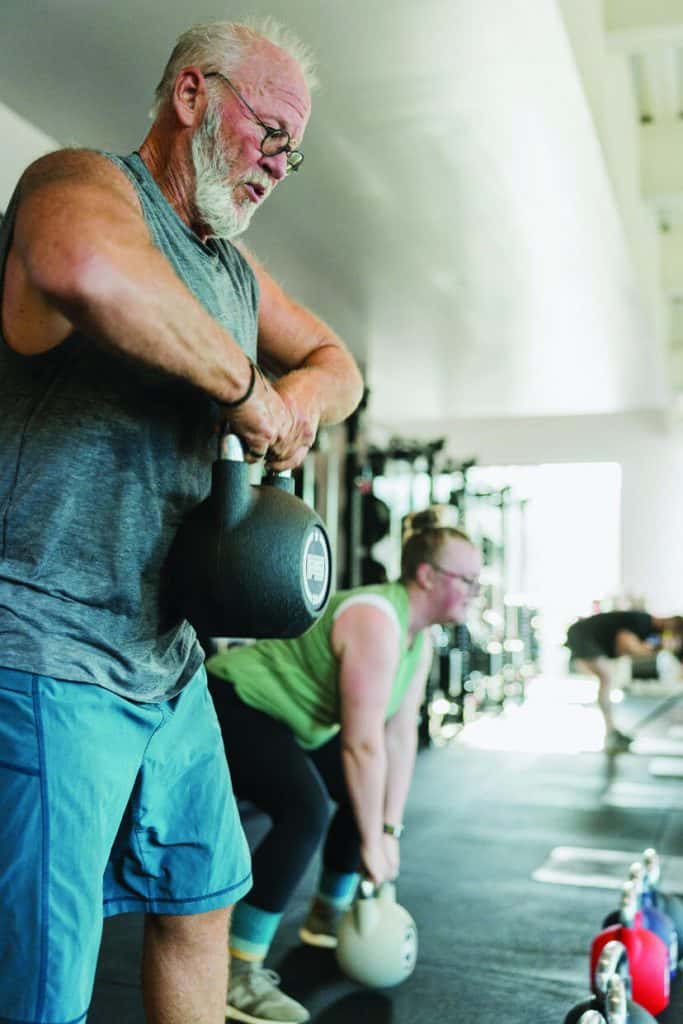
“My quads and glutes just feel more reliable now.” Many experts agree that regular, gentle strength work can help maintain muscle mass and stability as we age.
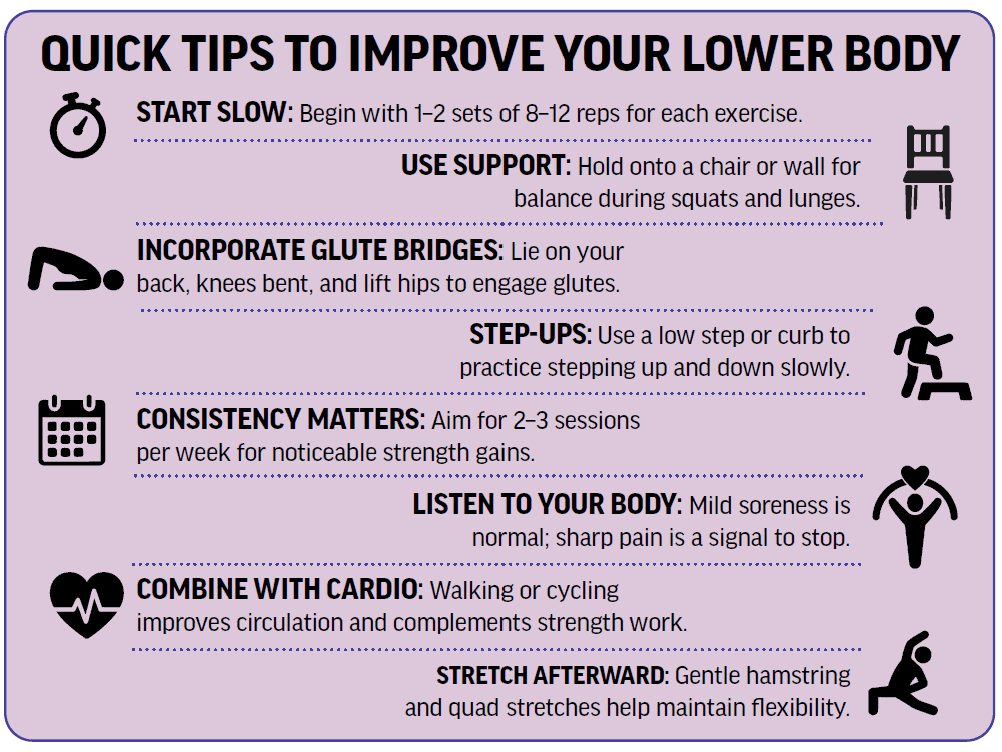
How it works: Simple movements like squats, lunges, stationary lunges, and step-ups engage both quads and glutes. Using a stability ball against a wall or holding onto a sturdy chair can help keep form safe and steady. These exercises help increase muscle mass, improve balance, and reduce joint stress over time.
“I started with seated leg extensions and mini squats beside my kitchen counter,” explains Robert Clark, 72, a retired math teacher who lives in San Marco. “At first it was slow, but now I’m stronger, and walking feels easier. I can walk the bridges a couple of times a week.”
Many fitness professionals encourage starting with low-impact versions and increasing reps gradually, especially for those new to strength training.
Medical professionals recommend leg and glute strengthening at least two to three times per week as part of an overall fitness routine to help reduce the risk of falls or injury. Focusing on these often-overlooked muscles has led not just to physical strength, but improved quality of life.