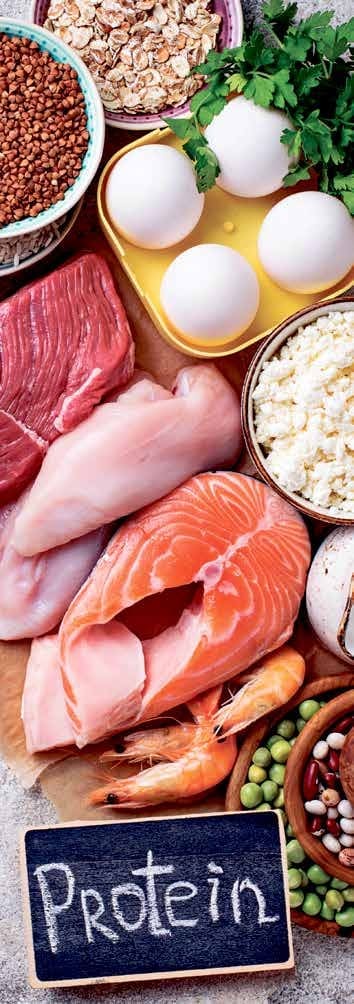
Protein is having a moment. Grocery store shelves are packed with protein bars, protein cereals, and even protein coffee. Health experts say protein plays a major role in healthy aging, and many people may not be getting enough.
Jacksonville registered dietitian Stephanie Crosier encourages clients to make healthy eating “fun, simple, and cost-effective.” Protein does not have to come from expensive powders or trendy snacks.
- Protein is about much more than muscles. It also supports the immune system, healthy skin, hormone production, wound healing, and bone strength. Researchers say adequate protein helps adults stay active and independent longer
- Many nutrition experts now recommend roughly 1 to 1.2 grams of protein per kilogram of body weight daily for older adults. For someone weighing 150pounds, that can mean 68 to 82 grams a day.
- Eating most of your protein at dinner is no longer considered ideal. Experts say spreading protein throughout breakfast, lunch, dinner, and snacks may help the body use it more effectively. A protein-rich breakfast can help maintain muscle and energy levels throughout the day.
- Beans, lentils, quinoa, nuts, tofu, edamame, and seeds provide valuable protein along with fiber and heart-healthy nutrients. Studies now suggest plant-based proteins may support healthier aging and reduced chronic disease risk.
- Protein can help prevent falls and frailty. As people age, muscle mass naturally declines, a condition called sarcopenia. Maintaining muscle strength helps support balance, mobility, and bone health. Dr. Jonathan Roth, a sports medicine specialist, notes that “healthy muscle mass is essential” for daily activities and injury prevention.
- Protein can help prevent falls and frailty. As people age, muscle mass naturally declines, a condition called sarcopenia. Maintaining muscle strength helps support balance, mobility, and bone health. Dr. Jonathan Roth, a sports medicine specialist, notes that “healthy muscle mass is essential” for daily activities and injury prevention.
- Strength training, walking, resistance bands, yoga, and light weightlifting help the body use dietary protein to maintain muscle.