By Mary S. Daniel
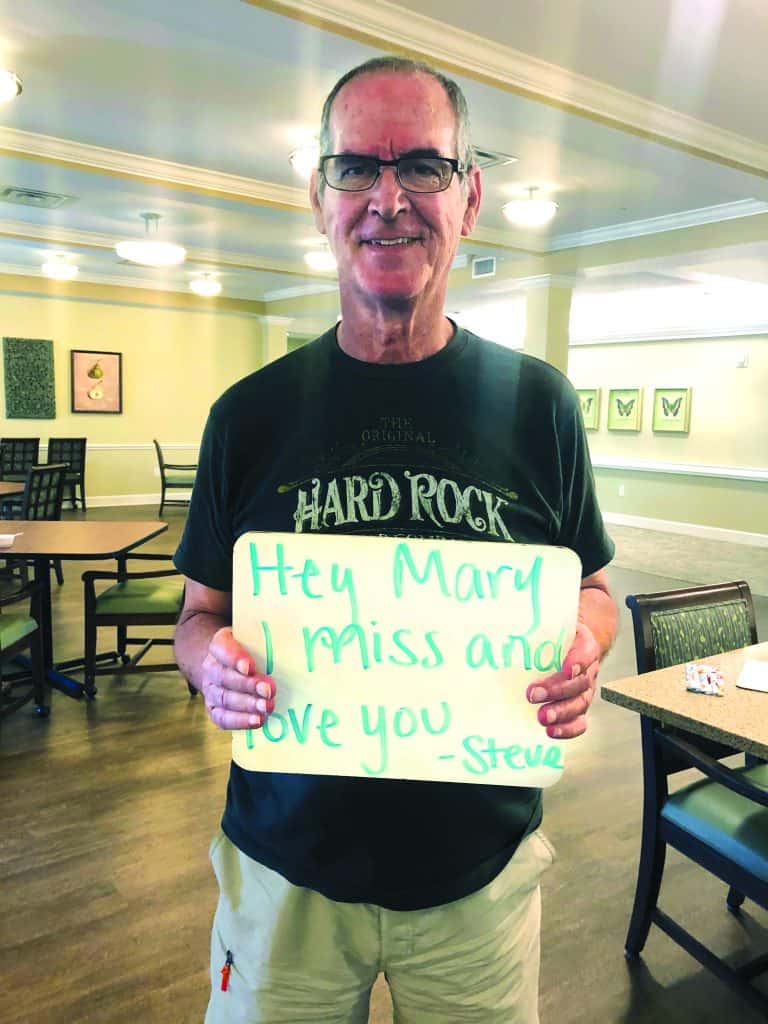
During the COVID-19 public health emergency, nursing homes and long-term care facilities across the United States closed their doors to visitors in an effort to protect vulnerable residents. While these policies were intended to reduce viral spread, they also separated residents from their families for months at a time.
Families were no longer able to provide emotional support, assist with daily care, monitor changes in condition, or advocate in person. Across the country, many residents experienced physical decline, cognitive deterioration, depression, and profound loneliness. For families forced to witness the decline—or even the death—of a loved one through a window or video screen, the experience was heartbreaking and traumatic.
Out of that experience came the grassroots advocacy organization Caregivers for Compromise because isolation kills too, founded on a simple principle: infection control and compassionate care do not have to be mutually exclusive. The organization has worked in states across the country since 2020 to promote legislation ensuring that residents never again endure prolonged isolation without access to an essential caregiver.
Florida emerged as an early leader in restoring visitation. In September 2020, visitation was reopened by order of Governor Ron DeSantis. In 2022, Florida enacted the No Patient Left Alone Act, guaranteeing families the right to visit loved ones receiving care in hospitals, hospices, and long-term care facilities.
“Here in Florida, we recognize that family and human connection is one of the most important aspects of physical, mental, and emotional well-being, and we are ensuring Floridians are never again denied the right to see their relatives and friends while in hospitals or nursing homes,” said Governor DeSantis.
At the federal level, Caregivers for Compromise is advocating for the Essential Caregivers Act of 2025, a bipartisan and bicameral bill introduced in Congress in December. The legislation would require skilled nursing facilities, intermediate care facilities for individuals with intellectual disabilities, and inpatient rehabilitation facilities nationwide to permit in-person access to at least one designated essential caregiver during periods when regular visitation is restricted.
The Essential Caregivers Act seeks to ensure that patient rights are not suspended during emergencies and that compassion, dignity, and human connection remain central to our healthcare system. The bill would also direct the Centers for Medicare &Medicaid Services (CMS) to establish clear and uniform safety guidelines to allow essential caregivers to continue supporting residents responsibly while safeguarding the health of residents and staff during public health emergencies.
Northeast Florida Congressmen John Rutherford and Aaron Bean are cosponsors of the bill.
For more information about the legislation and advocacy efforts, visit www.caregivers4compromise.com.
Mary Daniel is the founder of Caregivers for Compromise and CEO of Daniel Advocacy Group, a healthcare advocacy firm specializing in medical billing management, supplemental insurance claims filing, and denial resolution services. Learn more at DanielAdvocacyGroup.com.