By Miriam Stansbury

Before there was a United States, before thirteen colonies declared independence, before Philadelphia became the birthplace of a nation, there was St. Augustine, Florida.
Founded in 1565 by Spanish admiral Pedro Menéndez de Avilés, the city has endured for more than four and a half centuries. Empires have risen and fallen. Hurricanes have reshaped its shoreline. Yet the nation’s oldest continuously inhabited European-established city remains remarkably intact, a living archive where history isn’t confined to museums but woven into everyday life.
Walk through the city just after sunrise, before the summer heat settles over the coquina streets. The sound of church bells mingles with the cries of gulls circling Matanzas Bay. The scent of sea salt drifts inland as it has for generations, carrying echoes of explorers, soldiers, merchants, Indigenous peoples, enslaved Africans, and immigrants who all helped shape this place.
At the heart of the city stands Castillo de San Marcos National Monument. Constructed from coquina sedimentary stone formed from compressed shells, the fortress has survived cannon fire since the late 17th century.
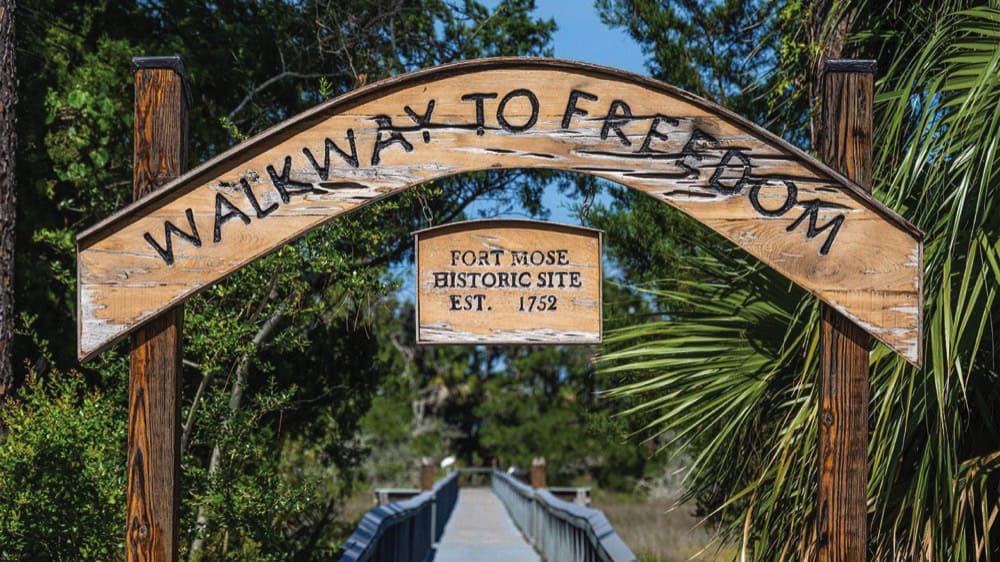
A short drive north lies Fort Mose Historic State Park. Established in 1738, it became the first legally recognized free Black settlement in what is now the United States. Here, freedom was not an abstract ideal but a hard-won reality, earned by men and women who escaped slavery and forged new lives under the Spanish Crown.
As America commemorates its 250th anniversary, St. Augustine offers something rare: perspective. The city’s history reminds us that the American story did not begin in a single year or a place.

Today, visitors discover more than landmarks. The history feels tangible not because it has been preserved behind glass, but because it continues to exist with modern life.
In St. Augustine, the past is not far away. It is carried in the breeze, etched into weathered stone, and in every step through a city that has witnessed the unfolding of America for nearly four hundred and sixty years.
Six Historic Stops That Chronicle America’s Experience
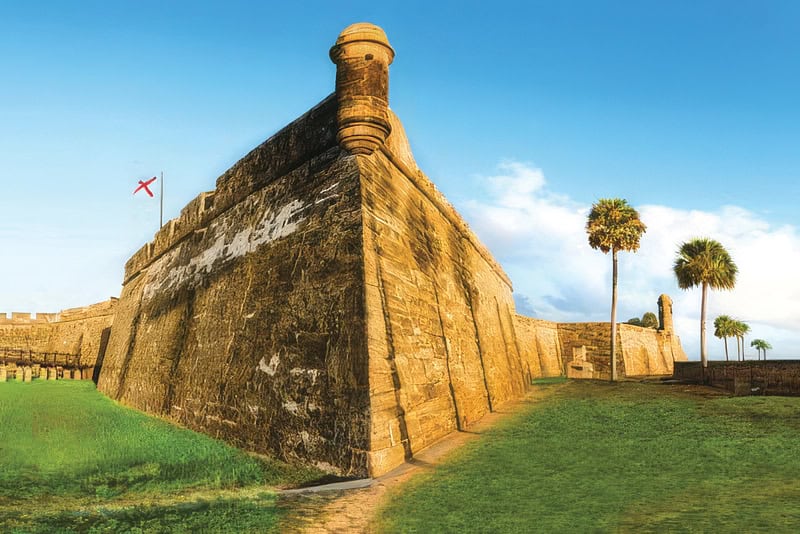
National Monument
Castillo de San Marcos National Monument
The oldest masonry fort in the continental United States, built to defend Spain’s foothold in the New World.
Fort Mose Historic State Park
Explore the site of the first legally sanctioned free Black settlement in what is now the United States.
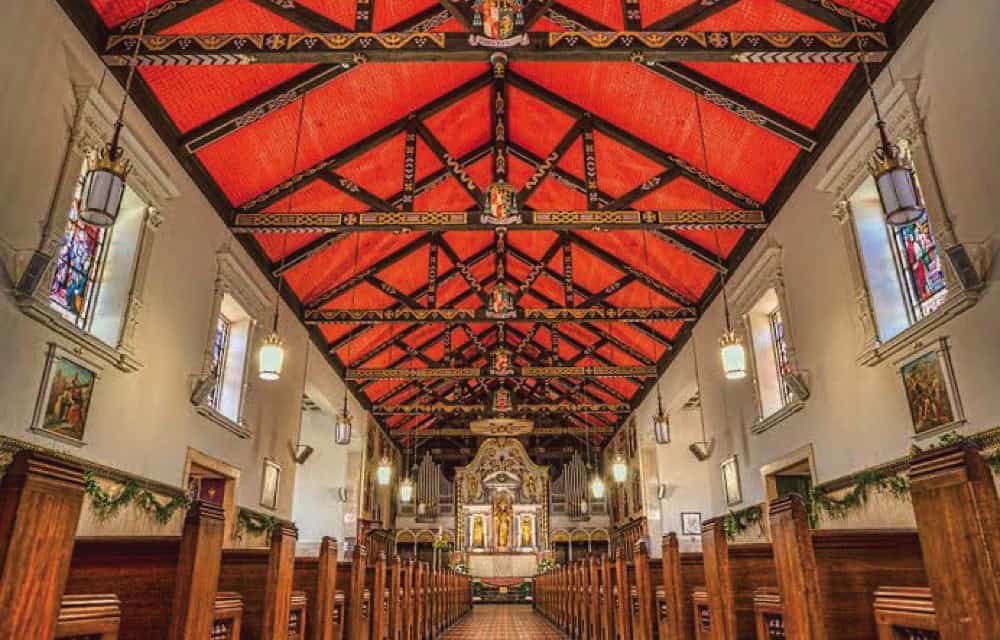
Cathedral Basilica of St. Augustine
The spiritual heart of the city, representing one of the oldest Catholic parishes in the nation.
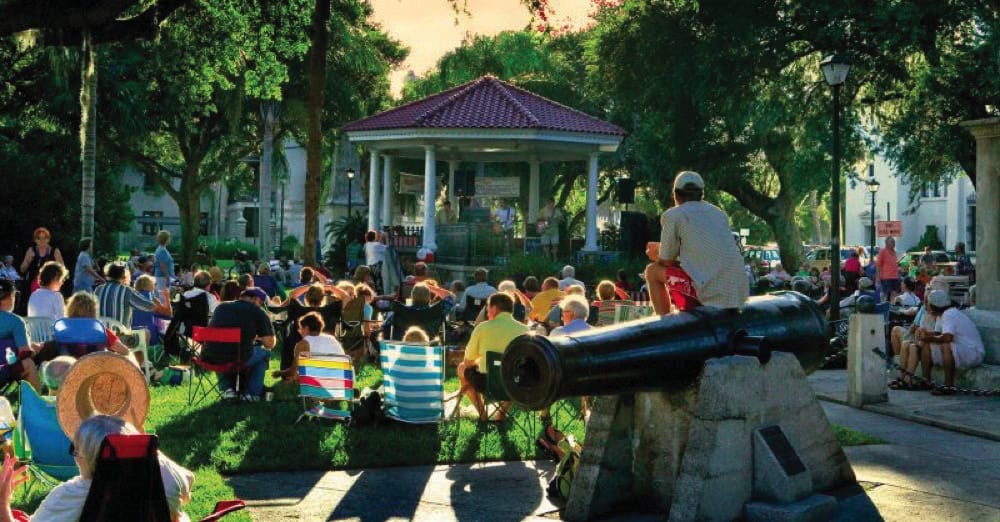
Plaza de la Constitución
For more than four centuries, this public square has served as the city’s civic gathering place.
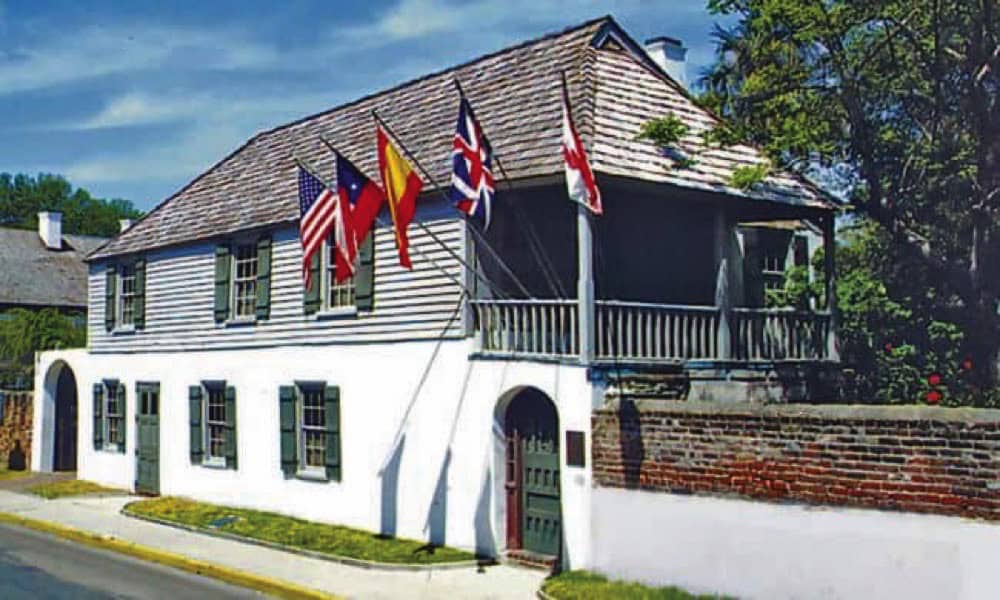
Oldest House Museum Complex
A glimpse into colonial domestic life through one of Florida’s oldest surviving homes.
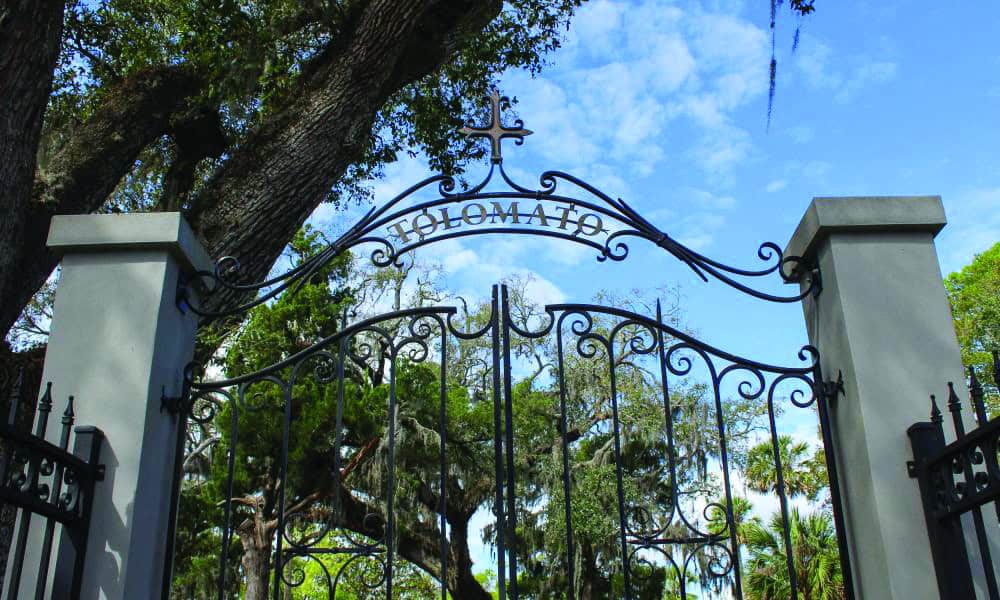
Tolomato Cemetery
One of the city’s oldest burial grounds, where generations of residents reflect the diverse cultures that built St. Augustine.
For more information on the history and places to see in St. Augustine, visit FloridasHistoricCoast.com.