By David Patterson
You leave the doctor’s office with a diagnosis, a prescription, a list of tests and perhaps a head full of medical terms. You nod, say thank you and walk out the door. Then, somewhere between the parking lot and home, you think: What exactly did the doctor say?
October is Health Literacy Month and a good time to ask better questions.
That moment is more common than many patients realize.
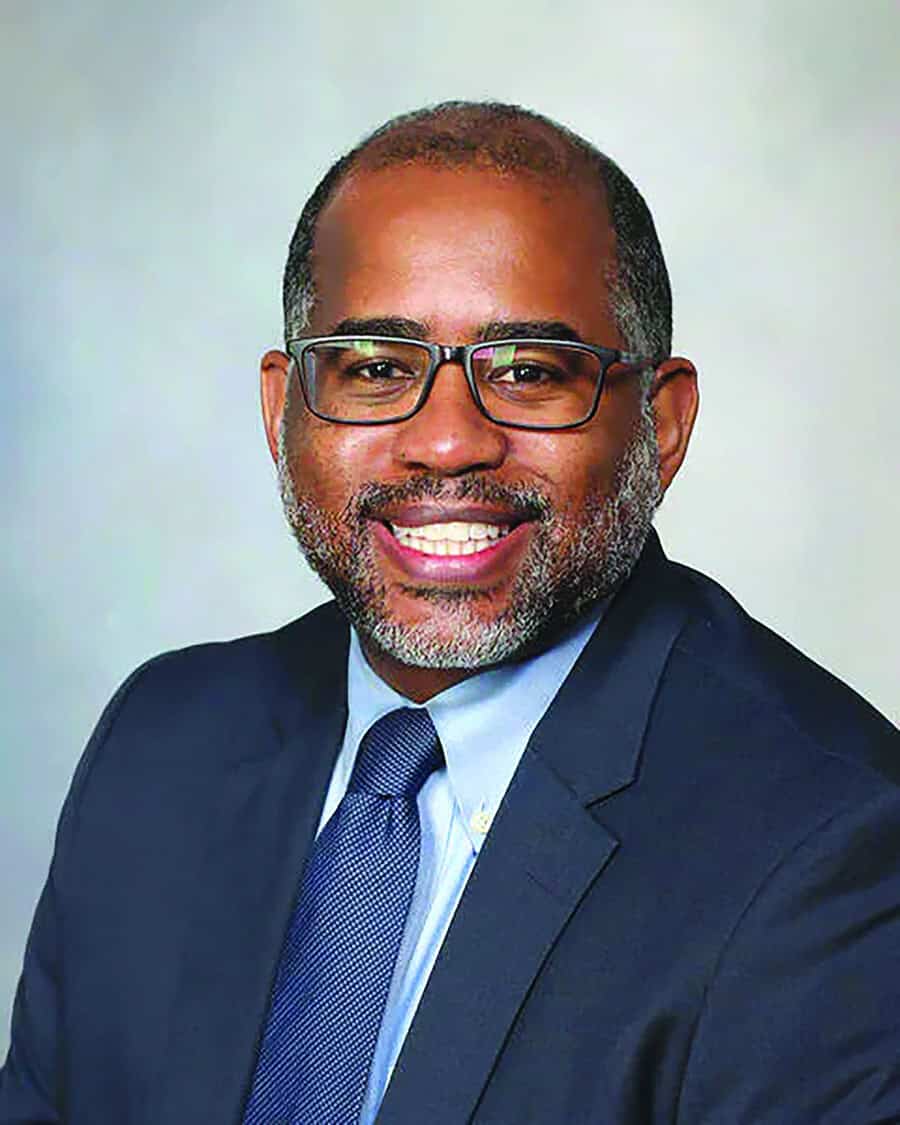
Richard O. White III, M.D., M.Sc., an internist and pediatrician at Mayo Clinic in Jacksonville, makes health literacy part of his work with patients.
“I am passionate about empowering my patients to understand and take control of their health when prevention is the focus and to optimize their outcomes when chronic conditions do arise,” White says. “I prioritize trust, communication, health literacy, and mutual dedication to wellbeing seeing the patient-doctor relationship as a team working hard towards a common goal.”

Michael Waters, M.D., a family physician with Baptist Primary Care in Jacksonville, offers straightforward advice: “Speak up if you don’t understand something your doctor says.”
Baptist Health recommends three questions patients can ask: “What is my main problem?” “What do I need to do?” and “Why is it important for me to do this?” The health system also advises patients to bring a family member or friend to appointments when helpful and to follow up on test results.
Another useful tool comes from the Agency for Healthcare Research and Quality: teach-back. Instead of asking a patient, “Do you understand?” clinicians can ask the patient to explain the plan in their own words.
Before your next visit, write down your questions. Bring a current medication list. Take notes. Ask what happens next, when test results should arrive and whom to call if something changes.
And don’t worry about sounding uninformed.
A few minutes of clarity can prevent confusion.
Medical terminology may be part of your doctor’s vocabulary. Understanding your care should be part of yours.